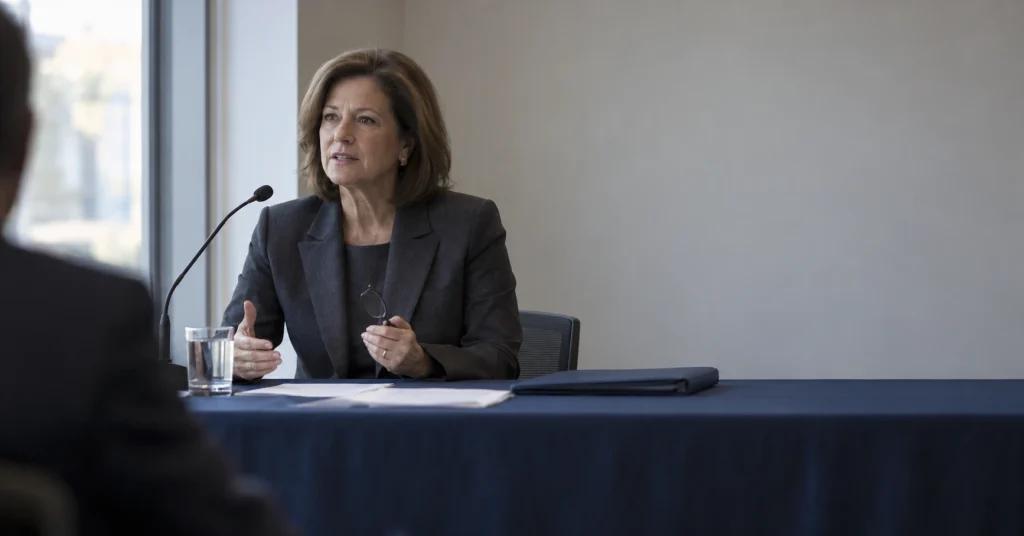
OFW Law founding principal Richard L. Frank fills in for former USDA Secretary John R. Block on John Block Reports.
Last week the President signed the Food Safety Modernization Act. It was passed by a united lame-duck Congress in the waning days of 2010. The new food safety law enhances FDA’s authority to make an already safe food supply safer. The new law does a number of things:
- It requires all processors to develop and implement a comprehensive food safety plan;
- For the first time, it authorizes FDA to mandate a food recall where public health is at risk;
- It increases the frequency of inspection for all high risk domestic facilities; and
- It requires importers to verify the safety of food brought in from foreign countries.
The new law represents an important and positive change for food safety. Both Congress and the Administration deserve credit.
Having said that, it is important to put food safety in America in proper context. We currently have the world’s safest food supply despite sensational media stories to the contrary.
Let’s consider some numbers. According to the Census Bureau, there are 310 million people living in the U.S. If the average American eats three meals a day, then we are talking about approximately 325 billion meals consumed annually. The Centers for Disease Control estimates that each year roughly 128,000 Americans are hospitalized and nearly 3,000 die from food borne illness. Thus, well over 99.99% of meals served in the United States are safe. Eating is not only a necessary and satisfying activity but also a very safe activity. Much of the credit should go to American farmers, processors, distributors and retailers.
The new food safety law makes a number of constructive changes. But Congress must closely oversee FDA’s implementation of the law, particularly with respect to obligations imposed on small farms and small businesses. To the extent fiscally possible, Congress should provide adequate funding.