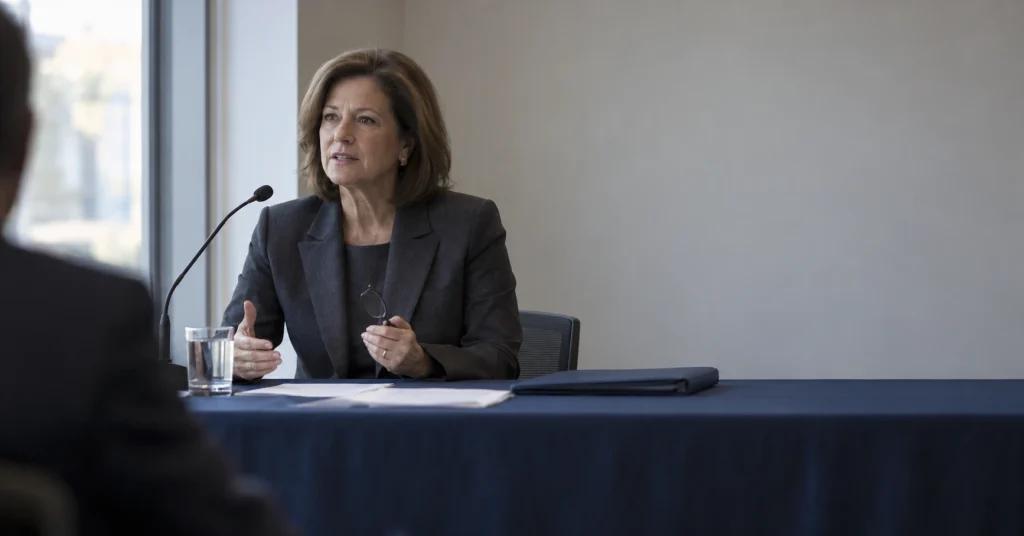
Today, the United States Food and Drug Administration (FDA) announced their conclusion “that existing regulatory frameworks for food and supplements are not appropriate for cannabidiol,” and the agency will “work with Congress on a new way forward.” This position was announced in a Statement by Dr. Janet Woodcock, Principal Deputy Commissioner, who chairs FDA’s cannabis working group.
Cannabidiol (CBD) has gained in popularity in foods and dietary supplements since its legalization under the 2018 Farm Bill. However, CBD is not permitted in foods and dietary supplements because it was first investigated as an active drug ingredient, and then later approved in Epidiolex.
Now, FDA is announcing that “given the available evidence, it is not apparent how CBD products could meet safety standards for dietary supplements or food additives.” The FDA has determined that at this time, CBD raises “various safety concerns.”
As part of their announcement, FDA denied three citizen petitions requesting the agency develop a regulatory pathway allowing companies to market CBD in dietary supplements. The denials are posted below:
Going forward, the agency intends to convene stakeholder meetings and encourages the submission of comments, data, and information. FDA also intends to work with Congress to develop a cross-agency strategy for the regulation of these products to protect the public’s health and safety.
We would be happy to assist you in any of your cannabis law questions, comments or concerns. Please contact Tish Pahl ([email protected]) or Kyla Kaplan ([email protected]) for assistance.