Your product launches are delayed. Your labeling team just received contradictory guidance from two different federal agencies. And now you’re facing questions from your legal department about which food labeling laws actually apply to your products.
I’ve guided food manufacturers through this exact compliance maze for years – and the confusion isn’t your fault. FDA and USDA labeling requirements overlap in ways that trap even experienced compliance officers. Companies routinely violate food labeling laws simply because they don’t know which agency has jurisdiction over their specific products.
This guide explains the critical differences between FDA and USDA food labeling requirements, identifies enforcement risks that trigger agency action, and clarifies when your company needs specialized legal counsel.
Which Agency Regulates Your Food Products?
The first compliance mistake happens before companies even examine labeling requirements. Most food manufacturers assume FDA regulates all food products. That assumption costs them enforcement actions, product holds, and expensive label redesigns.
The split between FDA and USDA jurisdiction follows product categories that seem arbitrary until you understand the regulatory history. USDA’s Food Safety and Inspection Service regulates meat, poultry, and egg products. FDA regulates essentially everything else – which means most food products, but with crucial exceptions.
Here’s where companies get trapped. A pizza with pepperoni falls under USDA jurisdiction. A cheese pizza falls under FDA jurisdiction. A product containing 3% cooked meat falls under USDA oversight. One with 2% cooked meat typically doesn’t. These percentage thresholds matter because USDA inspection requirements are significantly more intensive than FDA oversight.
The jurisdiction question isn’t academic. It determines which labeling regulations apply, which approval processes you must follow, and which enforcement mechanisms agencies can use against your company. Get the jurisdictional question wrong and you’ve built your entire compliance program on the wrong regulatory framework.
Critical Differences Between FDA and USDA Labeling Requirements
Once you’ve identified the correct regulatory agency, you face fundamentally different labeling requirements. FDA and USDA don’t just have different rules – they have different compliance philosophies, different approval processes, and different standards for what constitutes adequate labeling.
Label Approval Processes
USDA requires pre-approval of labels before products enter commerce. Every label for meat, poultry, or egg products must receive FSIS approval through their Label Approval System. Companies submit labels electronically, FSIS reviews them for compliance with regulations, and only approved labels can be used on products.
FDA takes a different approach. With limited exceptions for infant formula and certain health claims, FDA doesn’t pre-approve labels. Companies are responsible for ensuring their labels comply with regulations. FDA reviews labels during inspections or in response to complaints, which means violations may not surface until products are already in the market.
This difference in timing creates different risk profiles. USDA-regulated companies face front-end delays but avoid post-market surprises. FDA-regulated companies can launch products faster but carry ongoing compliance risk.
Ingredient Statement Requirements
Both agencies require ingredient statements, but the specific requirements differ in ways that matter for multi-ingredient products.
USDA requires ingredients to be listed in descending order by weight, with specific naming requirements for certain ingredients. FSIS maintains detailed guidance on how to declare meat ingredients, protein sources, and processing aids. The agency pays particular attention to how companies describe meat content – whether it’s “chicken,” “mechanically separated chicken,” or “chicken broth.”
FDA follows similar descending-order requirements but has different specific rules for certain ingredient categories. Chemical preservatives must include their function. Certified color additives must be specifically named. FDA’s requirements for allergen labeling are more detailed than USDA’s, particularly regarding warning statements and advisory labeling.
Nutrition Facts Panel Standards
Nutrition labeling represents another area where FDA and USDA requirements diverge, particularly following FDA’s 2016 nutrition labeling overhaul.
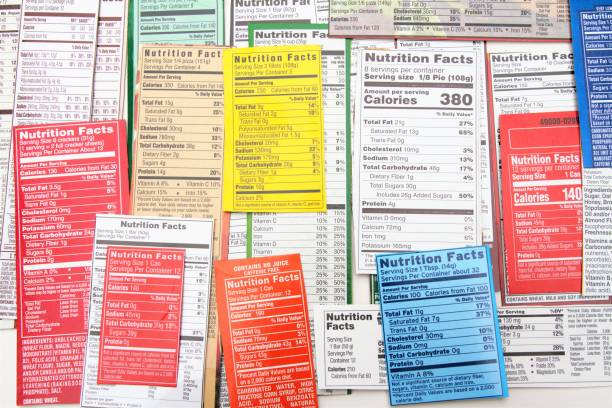
FDA’s updated Nutrition Facts panel requirements changed serving sizes, added vitamin D and potassium to required nutrients, removed vitamins A and C from mandatory listing, and redesigned the visual format to emphasize calorie content. These changes became mandatory for most manufacturers in 2020-2021.
USDA initially maintained its previous format but has gradually moved toward alignment with FDA’s new panel design. However, USDA-regulated products still have some format differences, particularly for single-ingredient raw meat and poultry products. FSIS also maintains specific requirements for products making nutrient content claims.
The transition period created compliance challenges for companies with both FDA and USDA-regulated product lines. Using the wrong panel format for a product category constitutes a labeling violation regardless of whether the nutritional information itself is accurate.
Health and Nutrient Claims
Health claims and nutrient content claims follow different substantiation and approval pathways under FDA and USDA regulations.
FDA permits certain health claims through multiple pathways. Authorized health claims have significant scientific agreement and receive FDA approval. Qualified health claims have supportive but not conclusive evidence and require specific qualifying language. The distinction matters because making unauthorized health claims violates federal law.
USDA defers to FDA for the scientific substantiation of health claims but requires separate FSIS approval before claims can appear on meat, poultry, or egg product labels. This creates a two-step approval process for USDA-regulated products – FDA clearance for the claim itself, then FSIS approval to use that claim on specific product labels.
Nutrient content claims like “low fat” or “good source of protein” follow FDA’s regulatory definitions but require FSIS pre-approval on USDA-regulated products. Companies can’t simply apply FDA standards to USDA products without going through the label approval process.
Enforcement Actions and Compliance Risks
Understanding food labeling laws matters because violations trigger enforcement mechanisms that can halt your business operations. Both FDA and USDA have broad authority to address labeling violations, but they exercise that authority through different processes.
FDA Enforcement Mechanisms
FDA’s enforcement approach emphasizes voluntary compliance but includes escalating enforcement tools for companies that fail to correct violations.
Warning letters represent FDA’s most common public enforcement action. The agency issues warning letters when it identifies significant violations, including misbranded labeling claims, inadequate allergen declarations, or unauthorized health claims. Companies typically receive 15 days to respond with corrective action plans.
The warning letter itself doesn’t impose penalties, but it creates a public record of violations and starts an enforcement timeline. If companies fail to respond adequately, FDA can escalate to product seizure, injunctions, or criminal prosecution for knowing violations.
FDA also uses import alerts to automatically detain products at the border when labeling violations appear on imported foods. These alerts operate without prior notice – your products simply won’t clear customs until you resolve the labeling issues.
USDA Enforcement Approaches
USDA’s enforcement system operates differently because of its continuous inspection presence in meat and poultry establishments.
FSIS inspectors review labels daily during regular inspection activities. When inspectors identify labeling violations, they issue non-compliance records that must be addressed immediately. Serious violations can result in product retention – FSIS physically controls the product until labeling issues are corrected.
USDA can also suspend inspection services at establishments with repeated labeling violations. Without FSIS inspection, facilities cannot operate – this represents USDA’s most significant enforcement mechanism short of criminal referral.
For approved labels that later prove problematic, FSIS can revoke label approvals and require recalls of products already in commerce. These recalls carry the same enforcement weight as safety-related recalls, even when the labeling issue doesn’t present health risks.
Common Violations That Trigger Enforcement
Certain labeling violations consistently attract agency attention and enforcement action:
- Misbranded allergen declarations. Both agencies prioritize allergen labeling violations because of immediate health risks. Missing allergen warnings or cross-contamination statements that don’t reflect actual production conditions trigger recalls and warning letters.
- Unauthorized nutrient content claims. Terms like “healthy,” “natural,” or “fresh” have specific regulatory definitions. Using these terms without meeting the criteria violates food labeling laws. FDA particularly focuses on “natural” claims given ongoing litigation and regulatory uncertainty around the term.
- Country of origin violations. Both agencies enforce country of origin labeling requirements, but USDA has specific mandatory COOL requirements for certain meat products. Misdeclaring country of origin violates both labeling regulations and potentially import/export laws.
- Net quantity declaration errors. The statement of net quantity must meet specific type size, placement, and measurement requirements. These technical violations may seem minor but they represent clear regulatory violations that agencies can easily document.
- Failure to list required allergens. The Food Allergen Labeling and Consumer Protection Act mandates specific allergen declarations. Products containing milk, eggs, fish, shellfish, tree nuts, peanuts, wheat, or soybeans must declare these allergens clearly.
When Food Companies Need Legal Counsel
Most food companies handle routine labeling compliance internally. Your regulatory affairs team can manage standard label reviews, routine updates, and straightforward compliance questions. But certain situations require specialized legal counsel – and recognizing these situations early prevents enforcement escalation.
Receiving Agency Communications
Any direct communication from FDA or USDA about your labels warrants immediate legal review. Warning letters, inspection observations citing labeling violations, or label approval denials from FSIS all represent formal agency positions that may require legal response.
The distinction matters because these communications start enforcement timelines. Your response creates a legal record that agencies will reference in any subsequent enforcement action. In-house teams without regulatory law experience may inadvertently create admissions or fail to raise relevant legal defenses.
I’ve seen companies provide overly detailed corrective action plans that commit them to changes beyond what regulations actually require. Or they dispute agency positions using arguments that have already failed in administrative proceedings. Legal counsel familiar with these agencies knows which battles are worth fighting and how to frame responses that protect your interests.
Novel Claims or Emerging Ingredients
When you’re developing labels for products with novel claims or emerging ingredients, legal review should happen before you submit labels for approval or launch FDA-regulated products.
The difference between authorized health claims, qualified health claims, and structure/function claims involves complex regulatory distinctions. Making the wrong type of claim can mean the difference between compliant marketing and illegal drug claims. Companies that skip legal review for novel claims often end up redesigning labels after FDA or USDA objects – if they’re lucky. If they’re not, they face enforcement action.
Emerging ingredients like CBD, new protein sources, or novel processing methods raise questions that go beyond standard labeling requirements. These products may trigger food additive regulations, require pre-market approval, or fall into regulatory gray areas where agency policy is still developing.
Import/Export Labeling Questions
International trade adds layers of complexity to food labeling compliance. Products imported to the United States must meet both FDA/USDA labeling requirements and Customs and Border Protection regulations. Products exported from the United States may need to meet both U.S. requirements and destination country requirements.
The interplay between agencies creates technical compliance issues that in-house teams rarely encounter. CBP can detain products for labeling violations even when FDA or USDA hasn’t raised concerns. Country of origin marking requirements follow different rules than country of origin labeling requirements. Foreign language labeling for export products still needs to comply with U.S. requirements if the products transit through U.S. commerce.
Recall Situations Involving Labeling
Product recalls triggered by labeling issues require immediate legal counsel. These recalls follow the same procedures as safety recalls but involve different liability considerations.
Allergen-related recalls carry obvious liability exposure – undeclared allergens present real health risks. But even non-safety labeling recalls create legal issues. Companies must coordinate with FDA or USDA on recall scope and classification. They must notify distributors and retailers. They must decide on public notification strategies.
These decisions have legal implications that extend beyond regulatory compliance. Recall communications become evidence in any subsequent litigation. How you characterize the violation affects your legal position. Legal counsel helps you manage the recall to satisfy regulatory requirements while protecting against broader liability.
Competitor Challenges or Litigation
Food labeling increasingly drives commercial litigation. Competitors file Lanham Act claims alleging false advertising through mislabeling. Class action plaintiffs sue over allegedly deceptive label claims. State attorneys general bring enforcement actions under state consumer protection laws.
These challenges involve food labeling laws but extend beyond regulatory compliance. A label that satisfies FDA or USDA requirements can still create liability under false advertising law or state consumer protection statutes. Legal counsel helps you evaluate these risks before competitors or plaintiffs’ lawyers do.
Building a Compliance Framework That Works
The complexity of FDA and USDA food labeling requirements doesn’t mean compliance is impossible – it means companies need structured approaches that account for which agency regulates their products and where enforcement risks concentrate.
Start by definitively establishing jurisdiction. If your products contain any meat, poultry, or egg ingredients, determine whether USDA has jurisdiction based on percentage thresholds and product characteristics. Don’t assume FDA regulates all non-meat products – some categories have special rules.
Create separate compliance checklists for FDA and USDA-regulated products. The agencies have different requirements for label approval, different standards for claims, and different enforcement priorities. A single checklist that tries to cover both agencies will miss jurisdiction-specific requirements.
Document your label review process. When agencies question your labels, you’ll need to show what review process you followed and what regulatory basis you relied on. Documented review processes also help when personnel change – your compliance doesn’t depend on institutional knowledge.
Monitor agency guidance and enforcement actions. Both FDA and USDA issue regular guidance documents, warning letters, and enforcement reports. These publications signal where agencies are focusing attention and how they’re interpreting regulations. Don’t wait for your company to receive a warning letter to learn about new enforcement priorities.
Know when to bring in legal counsel. Routine compliance can happen internally, but enforcement communications, novel products, imports/exports, recalls, and litigation all benefit from specialized legal review. The cost of legal counsel is minimal compared to enforcement actions or recalls.
Take Control of Your Labeling Compliance
Food labeling laws create complexity, but understanding the FDA-USDA split gives you a framework for compliance. Your products fall under one agency’s jurisdiction or the other – sometimes both. Each agency has specific requirements, different approval processes, and distinct enforcement approaches.
Companies that succeed at labeling compliance don’t try to become experts in every regulation. They build systems that identify which requirements apply, when internal resources are sufficient, and when specialized legal counsel provides value. They recognize that labeling compliance isn’t just about avoiding violations – it’s about protecting their ability to bring products to market and maintain their market position.
If you’re facing labeling questions that go beyond routine compliance, need guidance on agency communications, or want to establish a comprehensive compliance framework, OFW Law provides specialized counsel for food manufacturers navigating FDA and USDA requirements. Contact our team to discuss how we can support your regulatory compliance needs.