Joi Jackson

Think This is Biotech Regulatory Relief? Not Yet.

By Dr. Nina Fedoroff, as published in Agri-Pulse USDA and FDA proposals to regulate genetically engineered (GE) plants and animals following the recent update of the regulatory framework are on their websites awaiting public comment by June 19, 2017.  The documents on which comments are requested are long, dense and, at times, internally inconsistent.  Here’s a detailed […]

Think This is Biotech Regulatory Relief? Not Yet. Read More »

FDA Announces Intent to Extend the Compliance Date for New Nutrition Facts Rules

This morning, FDA’s Office of Nutrition and Food Labeling announced that it intends to extend the compliance date for the new Nutrition Facts requirements.  FDA’s announcement, which is included on its “Changes to the Nutrition Facts Label” webpage, notes that, after feedback from industry and consumer groups:  FDA determined that additional time would provide manufacturers covered

FDA Announces Intent to Extend the Compliance Date for New Nutrition Facts Rules Read More »
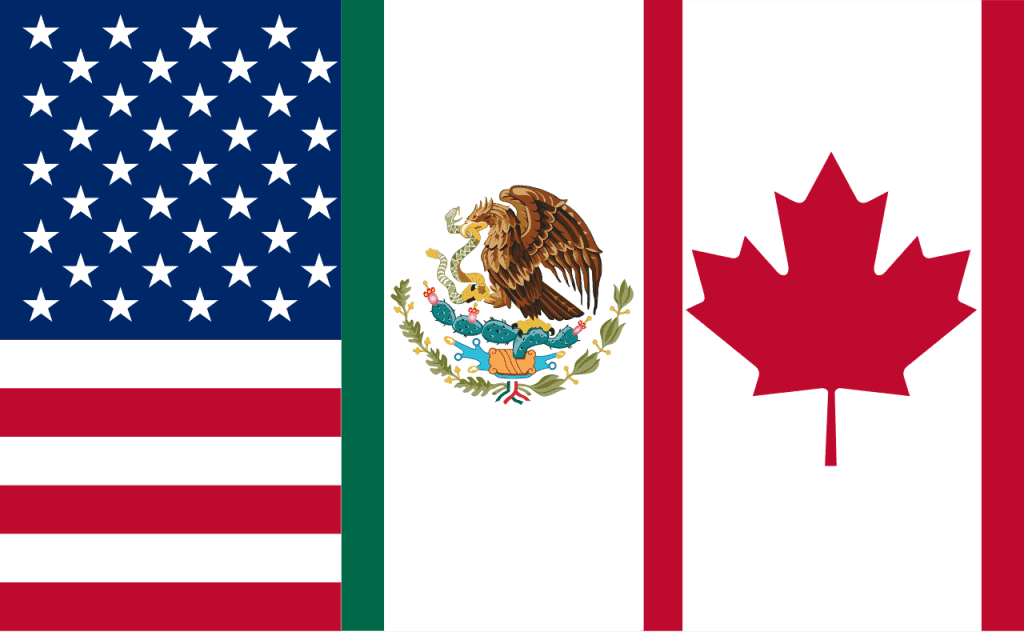
NAFTA Re-Negotiation Objectives: USTR Requests Public Input

The U.S. Trade Representative  (USTR)  is seeking “public comments on matters relevant to the modernization of NAFTA in order to inform development of U.S. negotiating positions.”  This is an opportunity for anyone impacted by U.S. trade with Canada and Mexico, either positively or negatively, to raise issues that they would like to see addressed in

NAFTA Re-Negotiation Objectives: USTR Requests Public Input Read More »

John Block: GE Science

By former USDA Secretary John R. Block I am encouraged. I think that we have some pretty strong voices in the Trump Administration speaking out in support of agriculture. Our strongest voice comes from Secretary of Agriculture Sonny Perdue. He said after meeting with 75 Senators “their number-one, two, and three priorities were trade, trade,

John Block: GE Science Read More »

FDA Extends Menu Labeling Compliance Date One Year Consistent with Trump Administration Policy

FDA is again extending the compliance date for menu labeling – just days before the regulatory requirements of § 101.11 were to have become effective.  On May 4, 2017, the agency will publish an interim final rule that extends the compliance date from May 5, 2017, to May 7, 2018, and that opens a 60-day

FDA Extends Menu Labeling Compliance Date One Year Consistent with Trump Administration Policy Read More »

Delay of FDA Menu Labeling Regulation Provides Blueprint for Modification of Nutrition Labeling Rules

The restaurant industry was bracing for FDA’s menu labeling regulation, requiring mandatory calorie disclosure on menus at chains that have 20 or more locations.  The final compliance date was coming up next week on May 5, 2017.  However, in a last minute change, FDA submitted an interim final rule to the White House Office of

Delay of FDA Menu Labeling Regulation Provides Blueprint for Modification of Nutrition Labeling Rules Read More »

I’m a FSVP Importer: How Do I Know When I Need To Comply?

That is one of the most common – and difficult – questions to answer when OFW Law teaches a Food Safety Modernization Act Foreign Supplier Verification Programs (FSMA FSVP) course.  Determining the compliance dates is typically more challenging for the affected importers.  To make it easier, OFW Law has created flow diagrams and examples to

I’m a FSVP Importer: How Do I Know When I Need To Comply? Read More »

The Relatively Unknown FSMA Rule – Foreign Supplier Verification Programs Rule

FSMA – The D.C. acronym for the Food Safety Modernization Act.  When I am working with clients or speaking with industry, everyone is familiar with FSMA.  But they think of FSMA as the Preventive Controls or Produce Safety Rules.  Some are also aware of the Sanitary Transportation Rule, but the Foreign Supplier Verification Programs (FSVP)

The Relatively Unknown FSMA Rule – Foreign Supplier Verification Programs Rule Read More »

Prior Notice of “Grey Market” Food Imports

Yesterday, FDA published a final rule making some technical amendments to its prior notice of imported food regulations.  The prior notice regulations implement section 801(m) of the Federal Food, Drug, and Cosmetic Act (21 U.S.C. 381(m)), which requires that FDA receive prior notice of food imported into the United States.  Coordinating the Automated Broker Interface/Automated

Prior Notice of “Grey Market” Food Imports Read More »

CFSAN Soon Will Issue Certificates of Free Sale for Exports Online

U.S. purveyors of foods, food additives, dietary supplements, and cosmetics for export are often asked by foreign customers or foreign governments to supply a “certificate” for products regulated by FDA.  Review of a certificate may be required by foreign countries as part of the process to import a product into those countries. A Certificate of

CFSAN Soon Will Issue Certificates of Free Sale for Exports Online Read More »

John Block: Regulations

By former USDA Secretary John R. Block President Trump is aggressively working to relieve the heavy burden of excessive regulations imposed on businesses in recent years.  Remember what President Reagan said about regulations:  “A government regulation is the nearest thing to eternal life that anyone will ever see on this earth.” I think that we

John Block: Regulations Read More »

Pity the Poor APA: How President Trump has Crippled Federal Rulemaking in Ten Short Days

Views expressed in this post are intended as solely those of the author. Nothing is more boring than the Federal notice-and-comment rulemaking process under the Federal Administrative Procedures Act (APA).  It is dry, obscure, and complex.  Trust me, I teach seminars on it, and even the perkiest student on my most entertaining day needs heroic

Pity the Poor APA: How President Trump has Crippled Federal Rulemaking in Ten Short Days Read More »

John Block: Trade

By former USDA Secretary John R. Block I want to focus on trade today.  From agriculture’s perspective, it is extremely important.  25% of ag income comes from products sold to other countries.  Production from 1 out of every 3 acres is exported.  Agriculture has a positive trade balance of more than $30 billion.  As positive

John Block: Trade Read More »